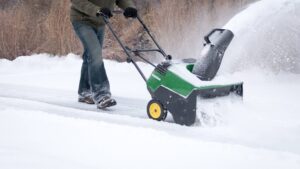
Winter is underway, and if you usually get hit with heavy snowfall, a blower is an essential tool for quickly blasting away accumulated snow from paths and driveways. More importantly, it will save you the back-breaking task of shoveling snow all the time.
But if your winter cleanup is still proving difficult, you might be falling for this common snow blower mistake. Waiting for the snowfall to stop beforehand actually makes your snow-blowing task much harder.
How to stop your snow blower from clogging

It might seem sensible to wait for the snow to settle before tackling the aftermath, but this can affect your blower’s performance. This is mainly because snow blowers are designed to handle snow accumulation, and are not often equipped to clear larger drifts of snow build-up
As a result, the chutes may get clogged up with wet or slushy snow, making the task harder (and much longer). What’s more, your blower could overheat due to the compacted snow blocking it up.
Once snow becomes too slushy, clearing is more difficult and can pose a danger, especially if it is left for a long period.
The best way to use your snow blower in winter

Instead of waiting for the snowfall to completely stop, it is advisable to begin clearing the snow immediately to get a head start.
It’s best to go out with your snow blower during mid-storm to begin tackling the snow, even if it’s dry. This should make it easier to clear surfaces and also eliminate the risk of blowing around a huge build-up of snow, leaving you with more work to do.
Additionally, if you allow snow piles to settle, they often harden and become significantly heavier, making the cleanup a more challenging task.
So the next time you see snowfall, don’t wait! Tackle it head-on (literally) with your snow blower sooner than later, and it will save you a lot of time, effort, and frustration in the long run.

Follow Tom’s Guide on Google News and add us as a preferred source to get our up-to-date news, analysis, and reviews in your feeds.
More from Tom’s Guide

Comments