
Winter is here, and with it comes all types of extreme and unpredictable weather. And if your region is prone to storms, it can often cause havoc to your property or disrupt services.
Luckily, there are some key things you need to prepare before a storm hits. Not only can this help to protect your home from potential (and costly) damage, but this will keep you and family members safe and sound. We asked an expert what the crucial things we should do to protect our homes ahead of stormy weather.
1. Keep gutters and storm drains clear

Storms can often bring the risk of flooding, and once flood waters recede, they can cause issues such as damp, soil corrosion, and other structural damage.
A key preventative measure is to clear your gutters and downspouts so that rainwater doesn’t overflow. Blockages are usually caused by leaves, debris, and general gunk that gradually builds up.
“Flooding is one of the most damaging and fast-moving threats during storms, so preventive measures are key,” states Laura Finson, Director of Product and Strategy at Brinks Home. “Keep gutters, downspouts, and storm drains clear to reduce water buildup, and use waterproofing and sump pumps with battery backups to protect basements.”
If you are dealing with a damp basement, however, you should invest in one of the best dehumidifiers to quickly dry out your space and prevent further issues with mold. Before clearing your gutters, check out our tips on how to clean gutters in 9 steps, and always take safety precautions.
2. Stock up on batteries, flashlights and portable chargers

Another common occurrence in certain areas is power outages. Which is why it’s so important to prepare ahead of time. Experts advise always keeping a supply of batteries, flashlights, and portable chargers to get you by until power returns.
“Extended power outages happen frequently from storms, so preparing ahead is essential,” agrees Finson. “We recommend keeping a supply of batteries, flashlights, candles and portable chargers available, and using surge protectors to protect electronics when power returns.”
In addition, you might want to consider buying a generator or backup system for critical items such as medical devices or essential foods. “Getting a generator or solar backup system can be useful for critical needs like refrigeration and medical devices,” adds Finson.
“Purchase a portable power station — these units can be pre-charged electrically or via solar energy. Look for backup power options that include a variety of outlets to help power your home and your devices.”
In fact, portable power stations come in very useful for emergencies. And these usually have more than enough power to run your refrigerator, several appliances, or to charge your devices.
3. Ensure smart locks and home security systems are working
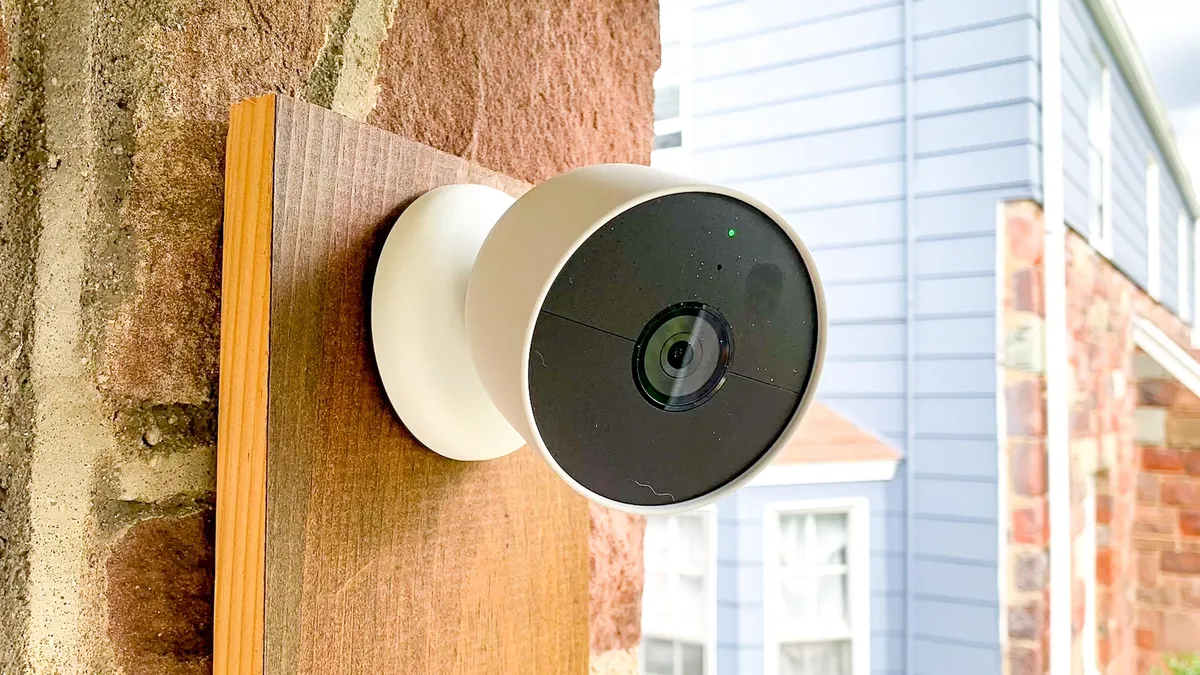
Perhaps one thing we overlook in a crisis is our home security system. But these are essential, and must be in good working order before a storm hits.
“Make sure that your home security systems and communication tools have battery backups, and get a battery-powered or hand-crank radio to help you stay informed on storm updates and emergency alerts,” advises Finson.
So what’s the best way to ensure our home security systems continue to work during a power outage?
”You should consider a system that uses both Wi-Fi and cellular monitoring,” adds Finson. “Cellular monitoring works without Wi-Fi–like a cell phone, communication is unaffected by power outages as long as the backup battery in your security devices, like your doorbell camera, is functioning.”
If you want to know more about home security, check out our extensive home security systems coverage for the best buying advice.

Follow Tom’s Guide on Google News and add us as a preferred source to get our up-to-date news, analysis, and reviews in your feeds.
More from Tom’s Guide

Comments